
Can Adults Become Bilingual in Canada? A Practical Guide to Language Learning
Becoming bilingual as an adult is entirely possible. Learn why thousands of Canadian adults successfully develop their French or English skills through consistent practice, personalized instruction, and the right learning approach.
Can Adults Become Bilingual in Canada?
Every year, thousands of adults across Canada successfully develop their English and French language skills for work, bilingual career advancement, travel, or personal growth. For many professionals, including Government of Canada employees, becoming bilingual can open new career opportunities, strengthen workplace communication, and build confidence in both official languages.
Learning a second language as an adult is different from learning as a child, but it is by no means impossible. Adults often bring valuable strengths to the learning process, including clear goals, professional experience, and strong problem-solving skills. With realistic expectations, consistent practice, and the right support, bilingualism is an achievable goal at any stage of life. So, if you’re wondering whether adults can become bilingual, the answer is a resounding yes.
Why Do So Many Adults Choose to Become Bilingual in Canada?
Canada’s two official languages play an important role in public life, education, and workplaces across the country. For adults, developing bilingual communication skills can support both professional and personal growth. Common reasons for becoming bilingual include:
- qualifying for bilingual Government of Canada positions
- expanding career opportunities
- communicating with colleagues and clients
- supporting professional development
- connecting with French and English-speaking communities
- travelling and living confidently across Canada
According to Statistic Canada, 41.2% of people in Canada could hold a conversation in more than one language in 2021, up from 39.0% in 2016. In addition, approximately one in eleven people could speak three or more languages.
Whether you are preparing for the Second Language Evaluation (SLE), advancing within your organization, or simply becoming more confident in everyday communication, bilingualism can provide lasting value throughout your personal and professional life.
Is Learning a Second Language More Difficult as an Adult?
Learning a language as an adult offers several unique advantages. Adults bring valuable life experience, well-developed communication skills, and a clear sense of purpose to the learning process. Whether the goal is career advancement, preparing for a language assessment, or communicating more confidently, adults often approach language learning with strong motivation and practical objectives.
While balancing work, family, and other responsibilities can make it more challenging to find time for regular practice, adults are also well equipped to develop effective learning routines that fit their schedules. Rather than asking whether adults can learn a new language, the better question is how they can make the most of the strengths they already have to learn more effectively.
Common Myth: You’re Too Old to Learn a New Language
One of the most common misconceptions about language learning is that adults are “too old” to become bilingual. While it’s true that young children often acquire languages more naturally because their brains are highly adaptable during early development, this does not mean adults cannot achieve a high level of proficiency.
Did you know that most adults have stronger problem-solving skills, clearer goals, and the ability to draw on life and professional experience when communicating in a second language? With consistent practice, meaningful conversation, and the right learning approach, adults can develop the confidence and communication skills needed to use a second language effectively in both professional and everyday situations.
Contact us today to book your consultation and begin your journey toward language success.
Why Is Becoming Bilingual More Challenging as an Adult?
Becoming bilingual as an adult is absolutely achievable, but it often comes with unique challenges. Between work, family responsibilities, and busy schedules, many adults have less time and fewer opportunities to practice a second language consistently than they would like.
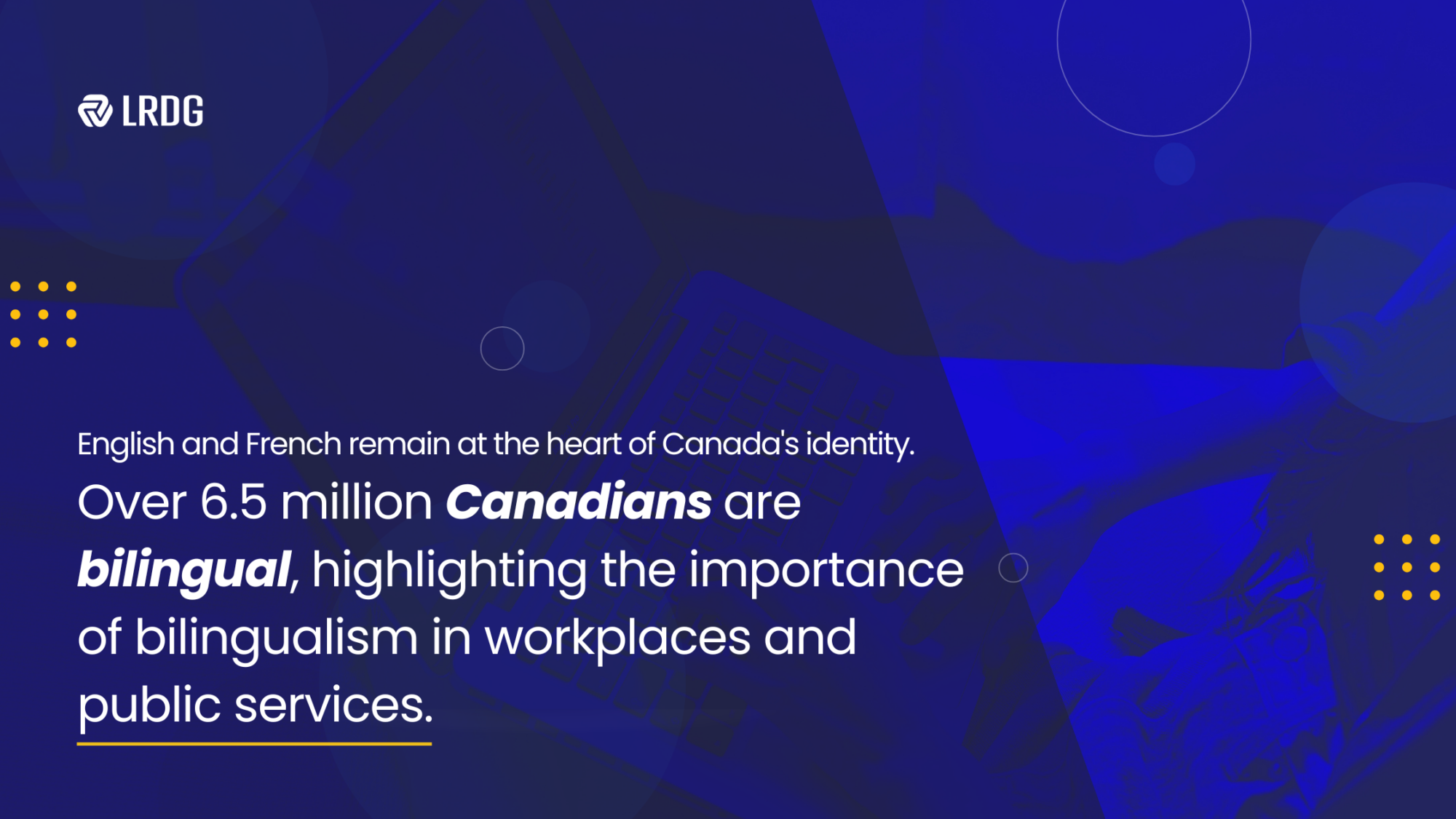
At the same time, millions of Canadians have shown that it is possible. According to the 2021 Census, more than 6.5 million Canadians, or 18% of the population, can carry on a conversation in both English and French. While every learner’s journey is different, these numbers demonstrate that bilingualism is an attainable goal with the right approach and consistent practice. Some of the most common challenges adult learners experience include:
Busy Schedules and not finding enough time for language learning
Between work and personal responsibilities, it can be difficult to study consistently. Even short, regular practice sessions can be more effective than occasional intensive study.
Limited opportunities to practice
Many adults have few opportunities to use their second language outside the classroom. Incorporating conversations, podcasts, reading, or workplace communication into everyday life can help maintain steady progress.
Lacking confidence for oral interactions
Many learners worry about making mistakes when speaking their second language. However, mistakes are a natural and valuable part of the learning process. Regular conversation practice in a supportive environment gives learners opportunities to take risks, receive feedback, and gradually build greater confidence and fluency.
Language learning is a long-term journey, and staying motivated can sometimes be one of the biggest challenges. Setting realistic goals, celebrating small milestones, and tracking your progress can help you stay engaged and recognize how far you’ve come.
At LRDG, we support adult learners with personalized tutoring, an interactive online learning platform, and progress tracking designed to keep you motivated every step of the way. Whether you’re preparing for the SLE, working toward a bilingual position, or improving your professional communication skills, our blended learning approach helps you build confidence and maintain steady progress.
Discover the LRDG tutoring experience, explore our online platform, and learn more about our language training programs designed for adult learners across Canada.
How Long Does It Take to Become Bilingual?
There is no single timeline for becoming bilingual.
Progress depends on several factors, including your starting level, previous language experience, learning goals, consistency, opportunities to practice, and the type of training you choose.
For professionals pursuing bilingual positions within the Government of Canada, language proficiency is often measured through the Second Language Evaluation (SLE). In many corporate and international organizations, language skills are commonly assessed using the Common European Framework of Reference for Languages (CEFR), an internationally recognized standard for language proficiency.
Regardless of your goals, a personalized language assessment is one of the best ways to determine your current level, identify areas for improvement, and build a learning plan tailored to your needs.
At LRDG, every learner begins with a preliminary language evaluation to help us understand their objectives and recommend the most suitable training path. Whether you’re preparing for the SLE, working toward a CEFR level, or strengthening your workplace communication skills, our team is here to help you start your bilingual journey with confidence.
What Is the Best Way for Adults to Learn a Second Language?
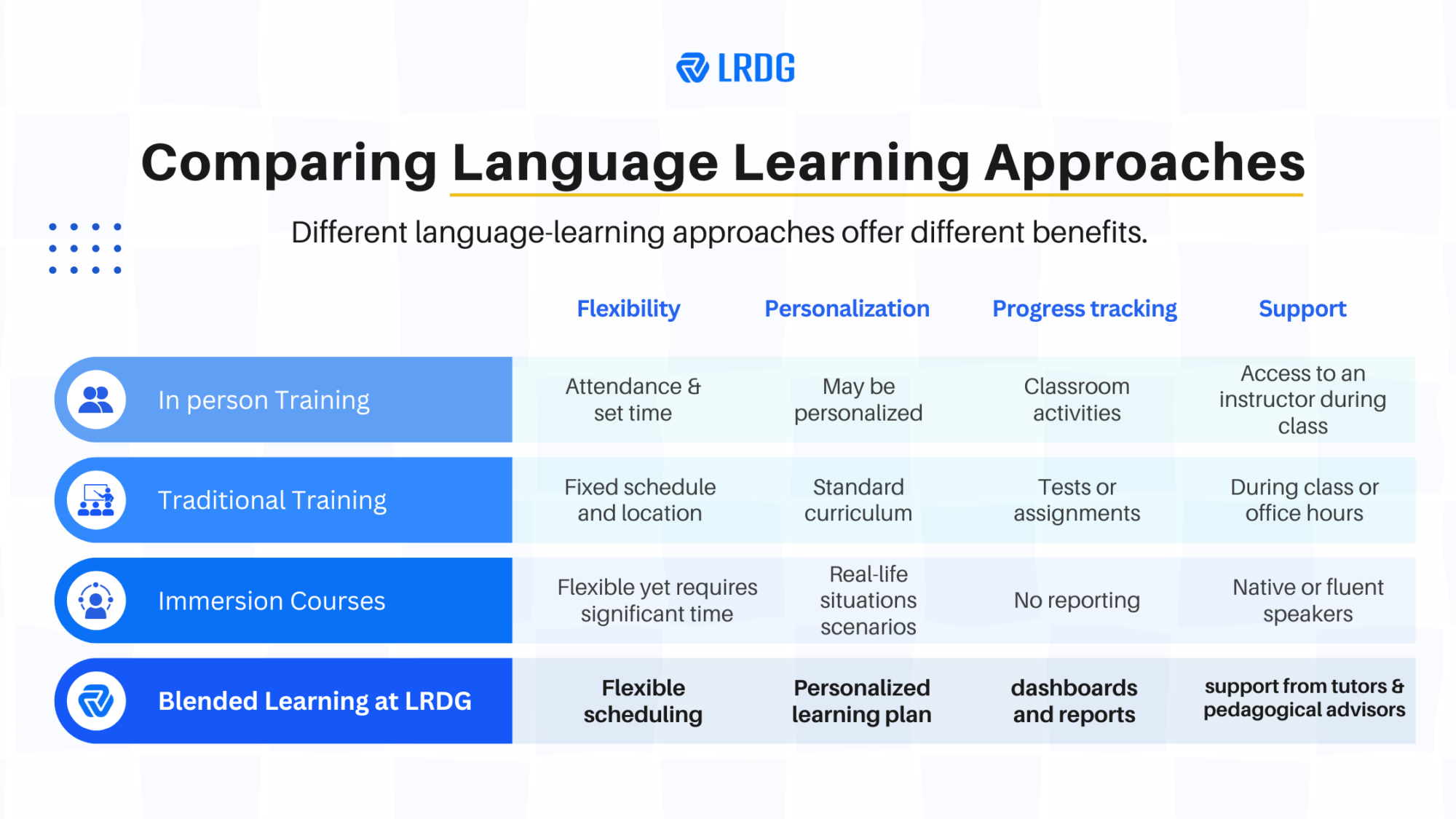
There is no universal method that works for everyone. The most effective approach depends on your goals, schedule, learning style, and the amount of time you can dedicate each week.
| Learning Method | Best For |
| Self-study | Independent learners with busy schedules looking for flexibility and autonomy |
| Language apps and platforms | Daily vocabulary and listening practice without oral interaction |
| Group classes | Interactive learning with peers and colleagues |
| Language Immersion | Rapid exposure through everyday communication |
| Live Tutoring | Personalized guidance, targeted feedback, and flexible part-time or full-time learning options. |
| Blended learning | Combines self-study, interactive technology, and live tutoring for a flexible, well-rounded learning experience. |
For many busy professionals, a blended learning approach offers the greatest flexibility. Combining structured online learning with personalized tutoring allows learners to build knowledge independently while receiving regular feedback, conversation practice, and guidance from experienced instructors.
At LRDG, our blended learning methodology is designed specifically for adult learners balancing work, family, and other commitments. We combine live tutoring with a 24/7 online learning platform filled with interactive Canadian content, personalized learning plans, and progress tracking. Whether you’re preparing for the Government of Canada’s Second Language Evaluation (SLE), working toward a CEFR level, or strengthening your workplace communication skills, our methodology provides the flexibility, structure, and personalized support needed to help you achieve your bilingual goals.
Ready to start your bilingual journey?
Book a call with our team to explore our language training programs, live tutoring experience, and the benefits of LRDG’s blended learning methodology.
Whether you’re looking for personalized language training or your organization needs a tailored corporate language program, one of our LRDG advisors will help you find the solution that best fits your goals.
Can You Become Bilingual While Working Full-Time?
absolutely. Many Canadian adults successfully improve their language skills while balancing full-time careers, family responsibilities, and other commitments.
The key is consistency rather than long study sessions. Even 25 to 35 minutes of focused practice several times a week can lead to meaningful progress over time.
Flexible schedules, online learning, and personalized instruction have made language training more accessible than ever for working professionals.
Meet our team of expert tutors and start your bilingual journey today.
How Does LRDG Support Adult Language Learners?
Since 2002, LRDG has helped thousands of adult learners across Canada strengthen their French and English communication skills through personalized language training. As a trusted language training provider to the Government of Canada, we deliver tailored learning solutions backed by our proven blended learning methodology. Today, more than 90% of our learners successfully achieve their target language level.
Our blended learning methodology combines:
- live online tutoring
- self-paced learning on our interactive platform, the LRDG Portal
- Canadian workplace content
- personalized learning plans
- experienced bilingual tutors and certified evaluators
- ongoing progress tracking and feedback
- Support from pedagogical advisors all along the journey
Continuing to Innovate for Adult Learners
Effective language training goes beyond tutoring sessions. At LRDG, we continuously invest in new technologies and learner support to make the language learning experience even more engaging, accessible, and effective.
Recent innovations include our AI-Powered Pronunciation Coach, designed to provide immediate pronunciation feedback, and our Centralized Support System, which gives learners faster access to resources, assistance, and answers whenever they need them.
To learn more about these latest features and how they support learner success, explore our article, How LRDG Transforms Language Training Through Innovation, Support, and Learner Success.
Whether you’re preparing for a Government of Canada Second Language Evaluation (SLE), working toward a bilingual position, or building professional communication skills, our programs are designed around the realities of adult learning. Explore our corporate solutions, French as a second language, English business training, or simply book a consultation with our team.
Frequently Asked Questions about becoming bilingual as adults
Yes. Thousands of Canadian adults become bilingual every year through consistent practice, realistic goals, and personalized language training.
No. Adults continue developing new language skills throughout their lives. Progress depends far more on consistency and practice than age.
Many adults benefit from a blended learning approach that combines independent study, conversation practice, and regular feedback from experienced tutors.
Yes. Flexible online programs and consistent weekly practice make it possible to improve your language skills while balancing work and personal responsibilities.
A professional language assessment can help identify your current proficiency level and recommend a learning plan based on your goals. At LRDG, the Preliminary Evaluation is the gateway to a customized and effective learning experience. Contact us for more information and book your second language assessment today.
Continue Your Bilingual Journey with LRDG
Becoming bilingual as an adult is not about finding the perfect time; it’s about finding the right learning approach.
Whether you’re preparing for a Government of Canada bilingual position, strengthening your workplace communication skills, or learning a second language for personal growth, remember that becoming bilingual is a journey, not a race. With consistent practice, realistic goals, and the right support, meaningful progress is within reach.
If you’re looking for additional guidance, explore LRDG’s language training programs, meet our experienced tutors, and discover how our blended learning methodology supports adult learners across Canada on their path to bilingualism.
Sign up for tips to help you learn, pass your PSC tests and achieve your levels.
Get inspiration to keep you motivated!
"*" indicates required fields