
Last-Minute SLE Exam Tips: Your Final Checklist Before Test Day
The night before your SLE French or English test can feel overwhelming. You’ve been studying for weeks (or months!), and now it’s down to the wire. But don’t panic—we’ve put together a clear, practical last-minute checklist so you can show up prepared, focused, and confident.
Whether you’re taking the Written Expression, Reading Comprehension, or Oral Language Assessment, these tips will help you make the most of your final hours before the exam.
1. Focus on Strategy, Not New Grammar
At this stage, don’t try to cram new grammar rules or vocabulary. If you haven’t already mastered the subjunctive or advanced sentence structures, trying to learn them the night before will only stress you out.
Instead, concentrate on:
- Reviewing what you already know
- Focusing on clarity and coherence
- Practicing how to express your ideas simply but correctly
? Related read: How to manage exam stress and prepare effectively
2. Don’t Overdo It to Impress
Trying to impress the evaluator with fancy structures or “big words” can backfire if you make errors.
Avoid:
- Forcing in the subjunctive without accuracy
- Throwing in hypothetical phrases just to sound advanced
- Mixing up advanced vocabulary that you’re unsure how to use
Pro tip: Use vocabulary and grammar that you know how to use well. A correct, simple answer always scores better than a complicated one with mistakes.
3. Speak or Write as Clearly as Possible
Especially for Oral Language Assessment, clarity matters more than complexity. Remember to:
- Explain your reasoning (causes, consequences, comparisons)
- Use linking words (car, donc, par conséquent, cependant)
- Structure your answers logically
If you’re writing, don’t overcomplicate your sentences—make sure each one is grammatically correct and clearly communicates your point.
4. Know What the Evaluator Is Looking For
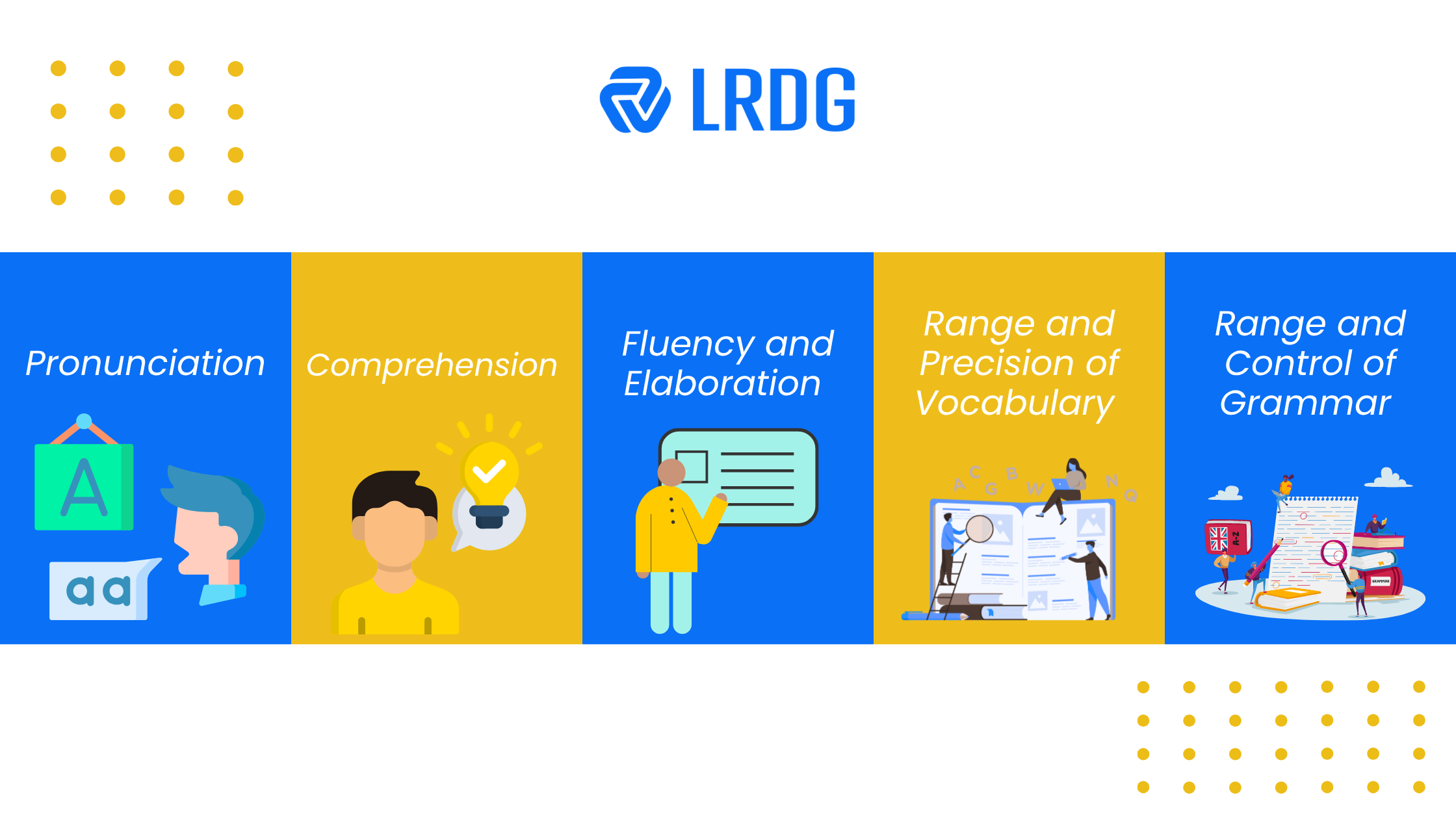
The Public Service Commission evaluates you based on five clear criteria:
- Pronunciation
- Comprehension
- Fluency and elaboration
- Range and precision of vocabulary
- Range and control of grammar
? For Level C, you especially need to demonstrate:
- Elaboration: Provide detailed, developed responses
- Precision: Use specific vocabulary accurately
- Mastery: Show consistent control of advanced grammar structures
There’s no “magic formula” for getting a C. Using a single subjunctive phrase won’t be enough—you need to show consistent ability across the board.
5. Practice, But Don’t Overdo It
The night before your test isn’t the time for a study marathon. Instead:
- Take a short practice test to warm up
- Review one or two previous mistakes you’ve made
- Go over sample question types you’re likely to see
If you’re not sure what types of questions to expect, check out the official practice test resources provided by the Government of Canada.
6. Try One Final Speaking Warm-Up (Even Alone!)
Before your oral exam, do one last round of speaking—either with a friend, tutor, or even just out loud to yourself.
Focus on:
- Making your ideas clear and structured
- Practicing elaboration (e.g. giving examples, reasons, comparisons)
- Staying calm and confident in your tone
7. Sleep, Hydrate, and Trust Yourself
It may sound simple, but these are critical:
- Get a full night’s sleep
- Eat well and hydrate
- Arrive early
- Bring proper ID and know your exam time and location
Your brain needs energy and calm, not stress and exhaustion.
Final Words: You’ve Got This!
At LRDG, we’ve helped thousands of public servants prepare for their SLE tests. If you’ve made it this far, you’re already on the right track. You’ve studied, practiced, and now it’s time to trust your preparation.
We’re Here to Help You Succeed
Feeling nervous is completely normal—but you’re not alone in this. If you need extra support or want to feel more confident before your exam, we’ve got your back:
- Speak with our team – We’ll help you explore the best training options based on your goals
- Discover our SLE programs – Tailored to help public servants succeed, no matter the level
- Browse our blog – Full of practical tips, strategies, and learner experiences
- Train with a qualified tutor – Get personalized guidance and feedback to boost your performance
Bonne chance! / Good luck—you’ve got this!
Sign up for tips to help you learn, pass your PSC tests and achieve your levels.
Get inspiration to keep you motivated!
"*" indicates required fields